
Construction Engineering for Temporary Access on Constrained Sites
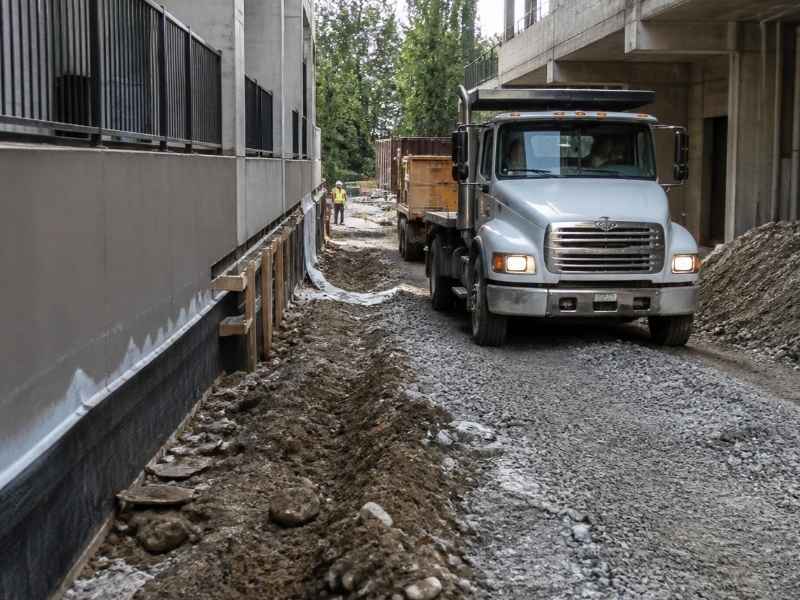
Some job sites have very little room to work. Tight lots, steep grades, and busy roads can make it hard just to get trucks and equipment onto the property. Construction engineering solves this by planning temporary access routes that fit the space and hold up under heavy use. A good plan keeps crews safe, protects nearby roads, and keeps the schedule on track. This article breaks down how engineers design these routes and adjust them as the work moves forward.
Construction Engineering for Temporary Access Planning
Construction engineering is the practical side of building. It takes the design plans and figures out how to make them work in the field. Temporary access planning is a big part of that job when a site has little open space.
Permanent roads, driveways, and parking often are not ready during construction. Crews still need a safe way to bring in trucks, materials, and heavy equipment. Engineers design temporary routes that serve the site until the real ones are built.
These plans do more than pick a path. They account for how much weight the ground can take, how trucks will turn, and where deliveries will unload. A clear access plan set early keeps confusion and delays off the site later.
The plan also protects what is around the site. Public streets, curbs, and neighboring property can take a beating from constant truck traffic. Engineers route access to limit that wear and keep the work from spilling onto places it should not.
Timing matters as well. The access route is one of the first things a site needs, well before the main work can start. Getting it right up front saves money and keeps early deliveries from stalling.
Evaluating Site Constraints Before Access Is Established
Every access plan starts with a close look at the site. Engineers study the land before they decide where a temporary route can go. Skipping this step leads to routes that fail once heavy loads roll in.
Grades and slopes come first. Steep ground is hard for loaded trucks to climb and can wash out in heavy rain. Engineers check whether the slope needs to be cut, filled, or reinforced before use.
Existing structures and utilities matter just as much. Buried pipes, power lines, and old foundations can sit right where a route needs to run. A review of records and a field check help crews avoid costly hits.
Property limits and right-of-way set the outer edges of what is possible. A route cannot cross onto a neighbor’s land without permission, and access off a public road may need approval. Drainage features and soft soil round out the review, since both can turn a good route into a muddy trap. These limits can vary by property type, county, and project scope, so confirm them early.
Designing Safe Routes for Construction Vehicles and Equipment
Once the constraints are clear, engineers design a route that fits the vehicles using it. Big trucks and cranes need wide turns and plenty of room. A path that works for a pickup may trap a loaded semi.
Turning radius is a key check. Long trucks need space to swing wide without hitting curbs, poles, or fences. Engineers size corners and lane widths to match the largest vehicle expected on site.
Clearance and load demands come next. Overhead wires, low branches, and tight gates can block tall loads. The ground itself must carry the weight, so engineers plan surfaces that will not sink or crack under repeat traffic.
Worker safety shapes the whole design. Construction traffic and people on foot should not share the same tight space. Clear separation, marked paths, and safe unloading zones cut the risk of accidents during busy delivery times.
Delivery timing also plays a role. Too many trucks at once can jam a narrow route and back traffic onto the street. Engineers may set delivery windows so vehicles arrive in an order the site can handle.
Drainage, Surface Stability, and Temporary Access Performance
A temporary route has to hold up in all kinds of weather. Rain is the biggest threat to any dirt or gravel path. Without a plan for water, a solid route can turn to mud in a single storm.
Drainage comes first. Engineers shape the route so water runs off instead of pooling on the surface. They may add ditches, culverts, or stone to move runoff away and keep the base dry.
Surface choice controls how well the route performs. A layer of compacted aggregate spreads out heavy loads and gives tires something firm to grip. On longer projects, engineers may call for a stronger pavement or a thicker stone section to last the full job.
The subgrade below the surface is easy to forget. Soft or wet soil under the route will fail no matter what sits on top. Erosion control also protects the site, since runoff from a bare route can carry mud onto streets and into storm drains.
Maintenance keeps the route working over time. Ruts, potholes, and washed-out spots grow fast under heavy use. A simple plan to grade and top up the surface stops small problems from shutting down access.
Construction Engineering Adjustments as Site Conditions Change
A construction site never stays the same for long. Excavation, foundations, and utility work all change the layout week to week. A temporary access plan has to change with it.
Early on, a route may cross ground that later becomes a building or a deep trench. When that happens, the access shifts to a new path that keeps trucks moving. Engineers plan these changes ahead so the site never loses a safe way in.
Staging areas move too. Material storage and equipment parking often relocate as different phases begin. Access routes get updated to reach each new staging spot without crossing active work.
Good adjustment keeps a project on schedule. Crews avoid downtime when the access plan grows with the job instead of blocking it. Regular review by the engineer catches problems before they stop the work, and plans can vary by site and project scope.
Communication ties it together. The engineer, contractor, and crews all need to know when a route will move and why. A quick update before each phase keeps everyone using the same safe path.