
Pipeline Engineering Projects Face Capacity Limits
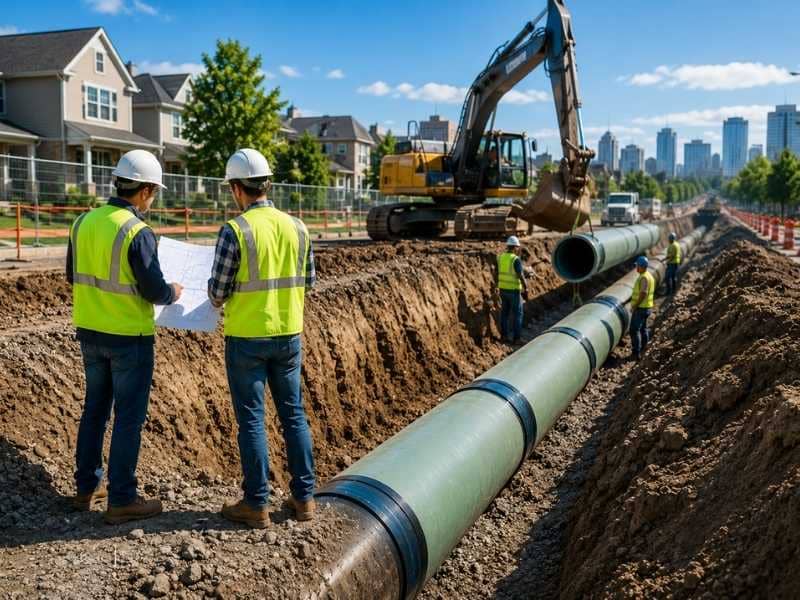
Pipeline engineering keeps water and wastewater moving every day. But pipes have limits. When a system carries more than it was built to handle, pressure drops, backups happen and service becomes unreliable. Knowing what capacity means and why pipelines reach their limits helps communities plan before those problems start.
What Pipeline Capacity Means
Capacity is the most a pipeline can carry at one time. It’s measured by flow rate, usually in gallons per minute or per day. Every pipe has a maximum based on its size, length, slope and material.
When demand stays within that limit, the system works well. When demand goes past it, water slows, pressure drops or sewage backs up. A single undersized pipe can slow the entire network, even if everything else is fine.
Why Pipelines Reach Their Limits
Pipelines are built for a community’s needs at one point in time, but those needs change. Population growth is one of the biggest drivers. More people means more water use and more wastewater. A pipe sized for fewer users may not keep up as the community grows.
Age matters too. Older pipes lose capacity over time. Mineral deposits build up inside and reduce the space water has to move through. Cracks and joint failures let in groundwater, adding extra flow to sewer lines.
Land use changes add pressure as well. When open land becomes housing or businesses, runoff increases and water demand goes up. The original system may not have been designed for that level of growth.
How Engineers Check Pipeline Capacity
Engineers don’t guess when a pipeline is struggling. They collect data and run tests to find out where the system stands.
- Flow monitoring: sensors placed in the pipeline track how much water moves through at different times of day and during rain events. This shows whether the system is near or over its design limits.
- Pressure testing: low pressure at certain points can signal a capacity problem or a leak. Pressure readings across the system help engineers find weak spots.
- Video inspection: cameras sent through the pipes show buildup, cracks, joint gaps and other conditions that reduce capacity or cause flow problems.
- Hydraulic modeling: engineers use software to simulate how water moves through the whole network. This shows where bottlenecks are and how the system would respond to added demand.
Together these methods give engineers a clear view of where the system stands and what needs to improve.
Ways to Increase Pipeline Capacity
Once engineers know where the limits are, there are a few ways to address them.
Replacing undersized pipes with larger ones is the most direct fix. It costs more upfront but solves the problem for decades. Adding a second pipe alongside an existing one increases total flow without digging up what’s already in the ground.
Cleaning and relining older pipes can restore lost capacity. Buildup reduces the effective size of a pipe over time. Removing it or applying an interior lining improves flow without full replacement. Upgrading pump stations helps where gravity alone can’t move enough water. A stronger pump pushes more flow through the existing pipe, up to the pipe’s physical limits.
Planning for Future Growth
The best time to fix a capacity problem is before it becomes a crisis. Projects that plan ahead cost less and cause less disruption than emergency repairs.
Engineers use population projections and land use plans to estimate future demand. They model how the system would perform and find which pipes or stations would fall short first. That guides decisions about where to invest and when.
Building in extra capacity during a planned upgrade is often cheaper than coming back in ten years. A pipe slightly oversized for today may be exactly right for the next generation. Regular inspection and cleaning also help. Systems that are maintained stay closer to their original capacity and last longer.
Frequently Asked Questions
What is pipeline engineering?
Pipeline engineering is the planning, design and maintenance of systems that move water or wastewater through pipes. It covers pipe sizing, material selection, pump design, system modeling and long-term planning.
What does pipeline capacity mean?
Capacity is the maximum flow a pipeline can carry under normal conditions. It depends on the pipe’s size, material, slope and age. When demand gets close to or past that limit, the system slows down, pressure drops or backups occur.
Why do pipelines need to be upgraded?
Pipelines are built for specific conditions at one point in time. As communities grow and pipes age, the original design may no longer be enough. Upgrades restore capacity and prepare the system for future demand.
How do engineers know a pipeline is too small?
They look for low pressure, slow flow or frequent backups. Flow monitoring, pressure testing and video inspection give hard data. Hydraulic modeling shows how the system performs under current and future demand.
Why is planning important in pipeline engineering?
Planning ahead lets engineers fix problems before service fails. Upgrading a pipe during a scheduled project costs less than an emergency repair. A system built with future growth in mind avoids having to redo the work a few years later.