When Roadway Design Creates Long-Term Value
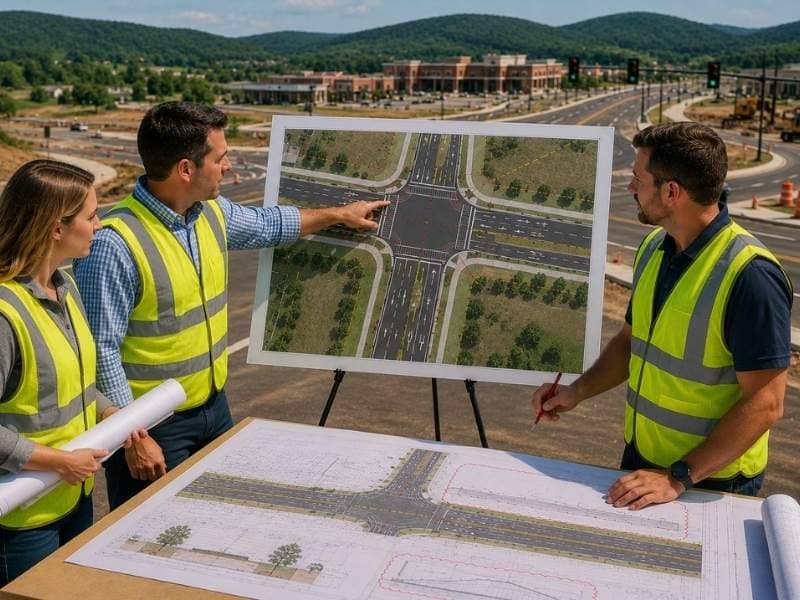
Roadway design shapes how an entire community moves, not just how a single street looks on paper. New development in many regions is creating a greater need for better roads. Those roads need to handle the traffic that new projects bring. Good roadway design accounts for this from the start. It does not just react to problems after they show up. Here is why this part of planning creates value that lasts long after construction wraps up.
Why Roadway Design Matters
Roadway design matters because growing communities depend on roads that can keep up with new development. As homes, stores, and offices get built, the roads connecting them need to handle more cars and trucks than before. A region with real growth often finds its older roads were never built for this kind of demand. Good roadway design looks at where development is heading, not just where it stands today. That forward looking approach gives a community roads that support growth instead of roads that constantly fight against it.
How Better Roads Help Traffic Move
Roadway design directly shapes how smoothly traffic moves through an area. Lane widths, turn lanes, and intersection layouts all affect how easily cars and trucks get where they’re going. A road with proper turn lanes keeps cars from backing up behind a driver waiting to turn left. Smooth signal timing keeps traffic moving instead of stacking up at every light. Even small design choices can matter a lot, like where a merge lane begins. Daily travel feels easier when these details get worked out at the design stage. Fixing them after drivers start complaining costs far more.
Why Roads Should Be Built for the Future
Roads should be planned with more than current traffic in mind. Growth tends to follow new development, often faster than people expect. A road designed only for today’s traffic count often becomes outdated within just a few years. Reserving extra right-of-way width during design lets a road add lanes later. This avoids tearing up land that’s already been built on. Choosing intersection layouts that can support a future turn lane avoids a full rebuild down the road. Specifying pavement built for higher future traffic loads keeps the road from wearing out too soon. These choices cost very little extra at the design stage. They save a community from expensive retrofits once the growth actually arrives.
How Good Roads Help Local Communities
Better roads do more than move cars. They shape how easily people reach the places they need to go. A well designed road network gets kids to school safely. It gets shoppers to local stores and workers to their jobs without unnecessary detours. Roadway design that considers walking paths, school zones, and access points supports the everyday rhythm of a community. It is not just about traffic counts. Communities with thoughtful roadway design tend to see new development follow more naturally. Accessible roads make nearby land more attractive to build on.
How Smart Roadway Design Saves Money
Smart roadway design saves money by getting the engineering right the first time. Pavement built to the correct thickness lasts far longer. A road designed for less traffic than it actually carries wears out fast. Intersections designed with enough capacity from the start avoid a costly teardown a few years later. A road that gets these specifications right the first time avoids expensive rework. That kind of rework usually comes from underbuilding now and fixing it later. This upfront accuracy is where roadway design creates real, long-term value for a community.
Good roadway design pays off well beyond the day construction finishes. It shapes how a community moves and grows for years to come.
Frequently Asked Questions
What is roadway design?
Roadway design is the process of planning and designing roads for safe and smooth travel. It covers everything from lane widths and intersections to signal timing and future capacity. Engineers use roadway design to make sure roads work well both now and later.
Why is roadway design important?
Roadway design is important because it helps people travel safely while supporting communities as they grow. Poorly designed roads create bottlenecks, safety risks, and frustration for everyday drivers. Good design solves these problems before a road ever opens to traffic.
Why should roads be planned for future growth?
Roads should be planned for future growth. More people and new development almost always bring more traffic over time. A road designed only for today’s needs often becomes outdated within just a few years.
How does roadway design help communities?
Roadway design helps communities by making it easier to reach homes, schools, stores, and businesses. Well planned roads reduce travel time and make daily trips less stressful. They also support safer access for pedestrians and cyclists near schools and neighborhoods.
Can good roadway design save money?
Yes, good roadway design can absolutely save money over time. Careful planning reduces the need for costly repairs and major redesigns later. Getting the engineering right from the start almost always costs less than fixing it after the road is built.