
Why Soil Testing Supports Better Project Planning
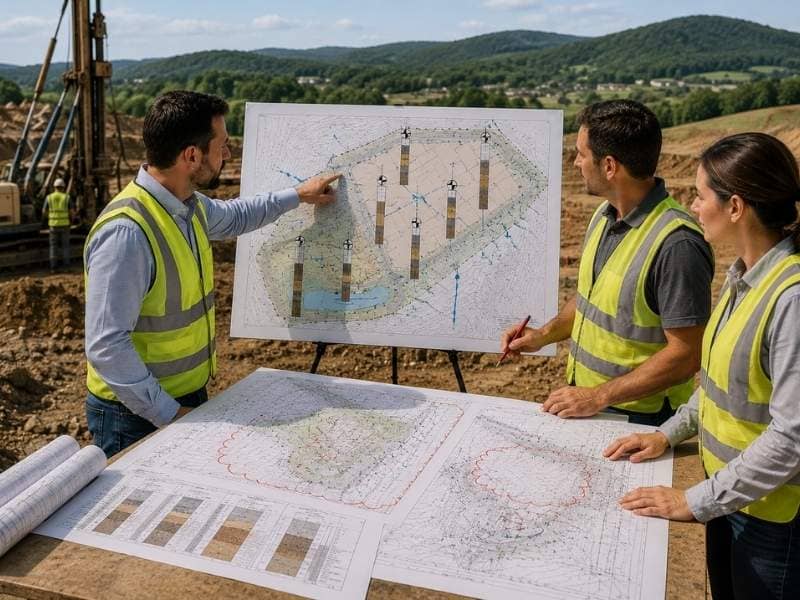
Soil testing gives a project team real information about the ground before any design work moves forward. In the Knoxville area, soil conditions can change quite a bit from one site to the next. Even properties that sit close together can behave differently underground. That kind of variation can affect everything from foundation design to drainage planning. Skipping soil testing means building a plan on assumptions instead of facts. Here is why this early step matters so much for the rest of a project.
Why Soil Testing Matters
Soil testing matters because every design decision that follows depends on knowing what’s actually in the ground. Engineers need to know how much weight the soil can support. They also need to know how deep bedrock sits and whether groundwater will affect construction. In the Knoxville area, this matters even more. Soil and rock conditions can shift a lot across short distances. A site that looks similar to one nearby on the surface can behave completely differently once construction begins. Soil testing replaces guesswork with real data. That data shapes decisions about foundations, grading, and drainage from the very start of a project.
How Soil Testing Finds Problems Early
Soil testing often reveals problems that don’t show up during a simple site visit. A few common findings include:
- Weak or loose soil that can’t support a standard foundation.
- Rock close to the surface that increases excavation costs.
- High groundwater levels that complicate drainage and construction.
- Old fill soil left behind from previous site work.
Finding these issues early gives the design team time to adjust the plan before construction starts. Discovering the same problems mid-project tends to cost far more. Crews and equipment are already on site, and schedules are already locked in. A soil test done early turns a potential surprise into a known factor the team can plan around.
Better Soil Data Means Better Plans
Engineers rely on soil testing results to make smart choices. They do not have to guess how the ground will behave. The data shows what type of foundation a site can support. It also shows whether retaining walls are needed. It shows how deep footings need to go to reach stable ground. With accurate soil information in hand, engineers can design a plan that fits the actual site conditions. That beats a generic plan that might not hold up. This kind of fit cuts down on design changes later. The plan already accounts for what the ground can and cannot handle.
How Soil Testing Can Help Save Money
Learning about ground conditions before construction starts helps a project. It avoids some of the most costly surprises in the building process. A foundation redesign after construction has already begun can mean tearing out completed work. It often means rescheduling crews who are already on site. Soil testing catches these issues on paper instead, where changes are far cheaper to make. Projects that invest in soil testing early tend to stay closer to their original budget. The design already reflects the real conditions underground rather than a best guess made before anyone broke ground.
Why Every Site Needs Its Own Soil Testing
Soil conditions can vary significantly even between two properties that sit close to each other. This is why borrowing data from a neighboring site rarely works. One property might sit on stable, well draining soil. The lot next door might have soft clay or a higher water table just a few feet down. Each site has its own geological history, and that history shapes what’s actually underground. A project might rely on soil testing from a different property. That risks planning around conditions that don’t match the real site. Every project benefits from its own soil testing. It’s the only way to know exactly what the ground at that specific location will do.
Soil testing turns an unknown into a known. That shift makes every later decision on a project easier to get right.
Frequently Asked Questions
What is soil testing?
Soil testing is the process of checking the ground before a project begins. It typically involves taking samples or borings at different points across a site. The results tell engineers what the soil and rock conditions look like below the surface.
Why is soil testing important?
Soil testing is important because it helps engineers understand the site before they design around it. Without accurate soil data, a design might not match what the ground can actually support. Good information up front leads to better plans and fewer surprises later in the project.
Can soil testing find problems underground?
Yes, soil testing can absolutely find problems underground that aren’t visible from the surface. It can reveal weak soil, rock close to the surface, high groundwater, or old fill material. Finding these conditions early gives the design team a chance to plan around them properly.
Why is soil testing important in the Knoxville area?
Soil testing matters a lot in the Knoxville area. Soil and rock conditions can change from one spot to another. A project built without local soil testing risks running into problems that local conditions could have predicted.
Can soil testing help save money?
Yes, soil testing can help save real money over the life of a project. Catching ground problems early means making changes on paper instead of during construction. Fixing a foundation issue after work has started almost always costs more. Planning around it from the start costs less.